CHEESE BASICS

Cheese Types

Cheeses can be grouped into various types, styles or families. At Murray's we think of seven types that we find clear and simple to understand:

Fresh | Bloomy | Semisoft | Washed | Firm | Hard | Blue

These types group cheeses that provide a consistent eating experience. Our types will help you find a cheese you like according to the following descriptions:

Fresh
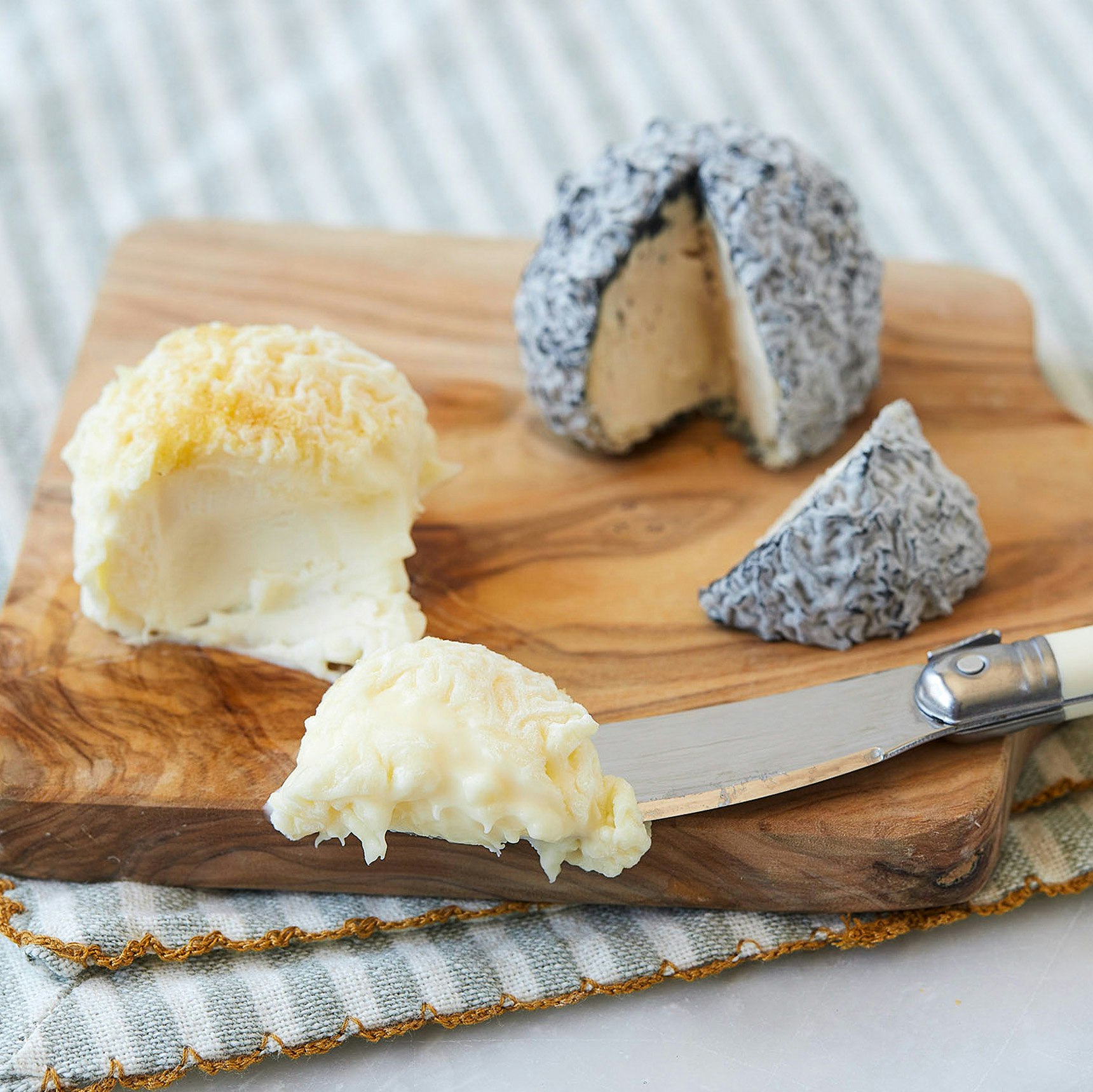
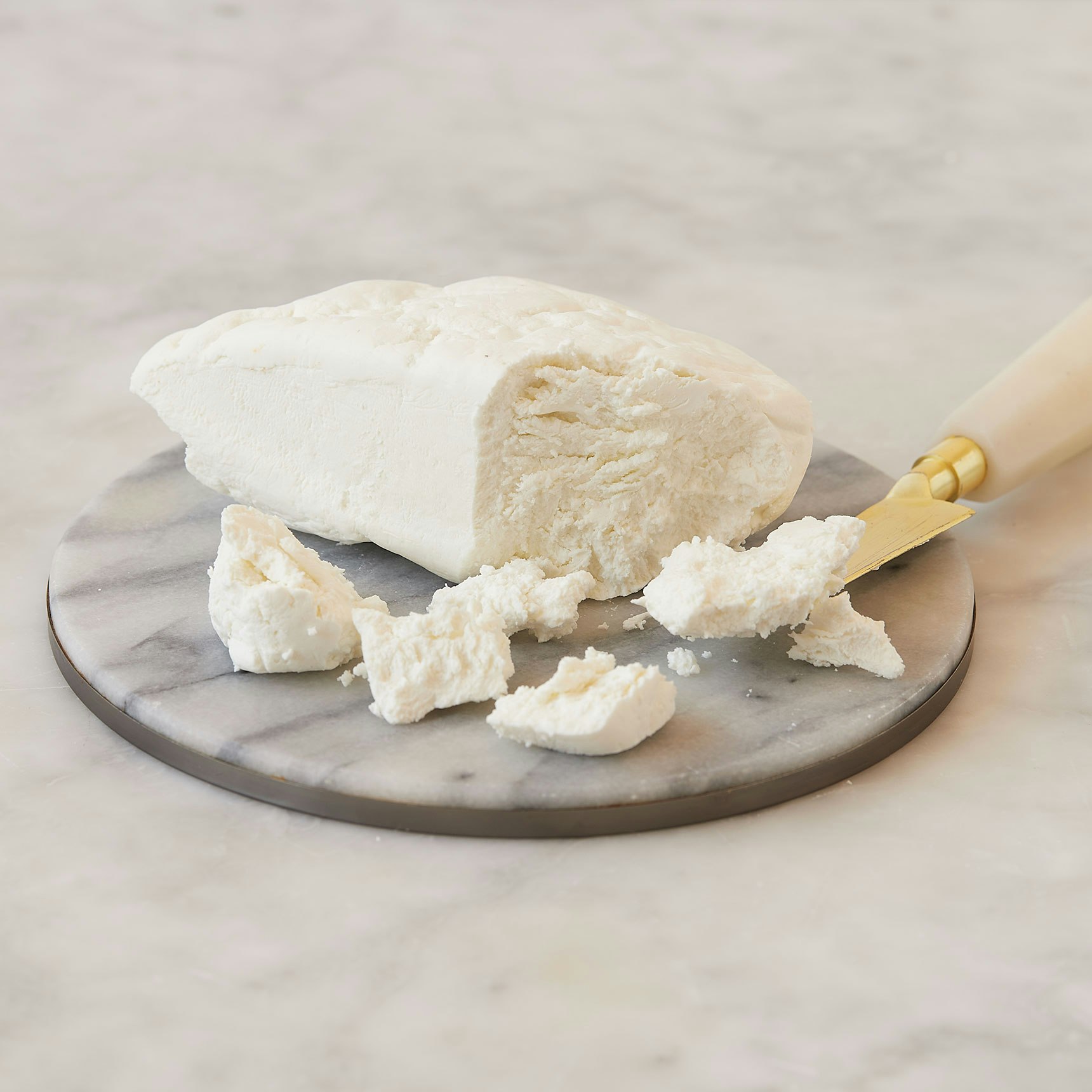
Think: Young. Tart. Tangy. Lemony. Smooth. Moist. Creamy. No rind. Find: Fresh goat cheese like Westfield Capri, Mozzarella and Manouri.

Bloomy
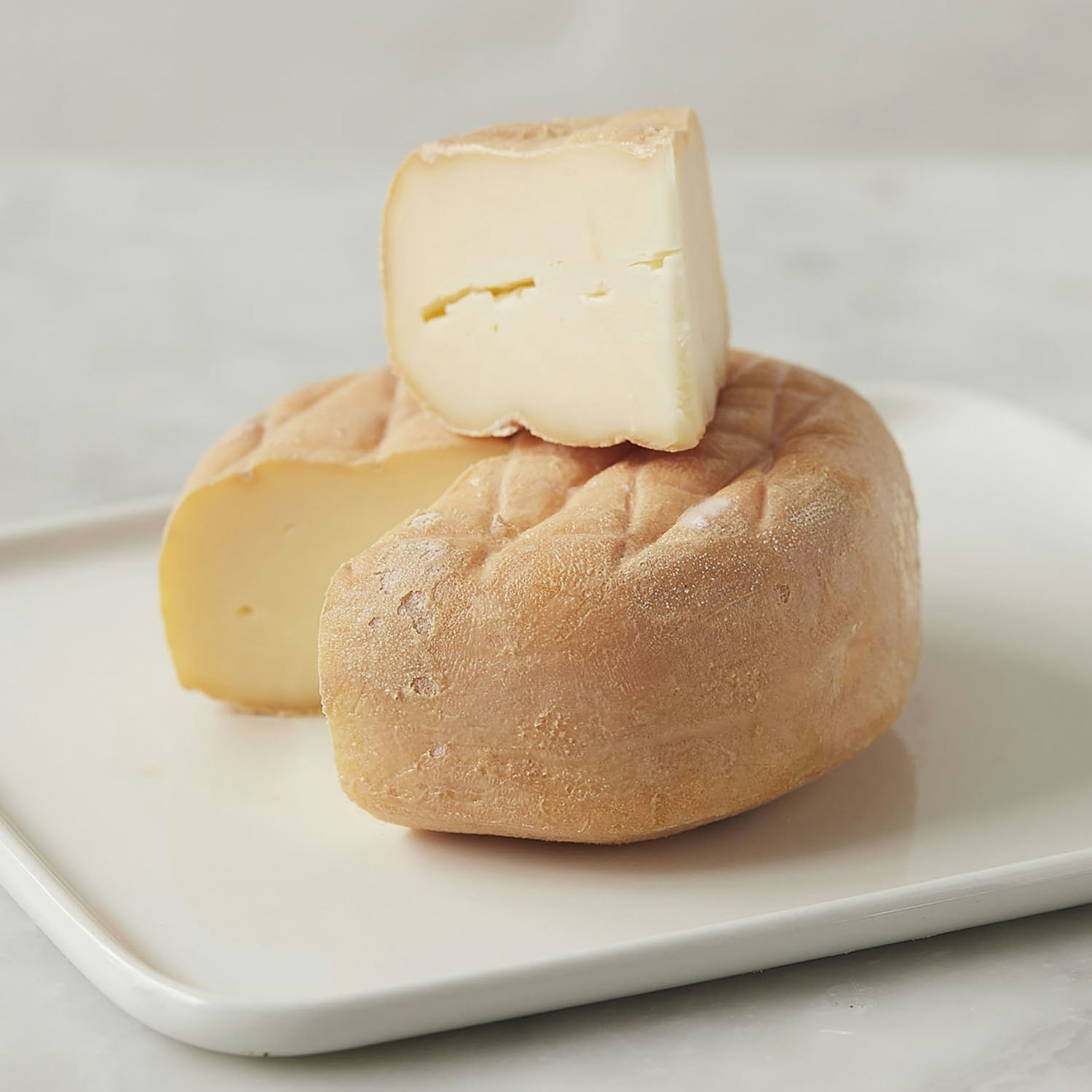
Refers to the snowy, fluffy, "blooming" rind. Think: White. Buttery. Decadent. Pillowy. Fluffy. Rich. Mild to Mushroomy. Edible rind. Find: Brie, Camembert, Triple-Crèmes (Cremeux de Bourgogne, Brillat Savarin)

Semi-soft
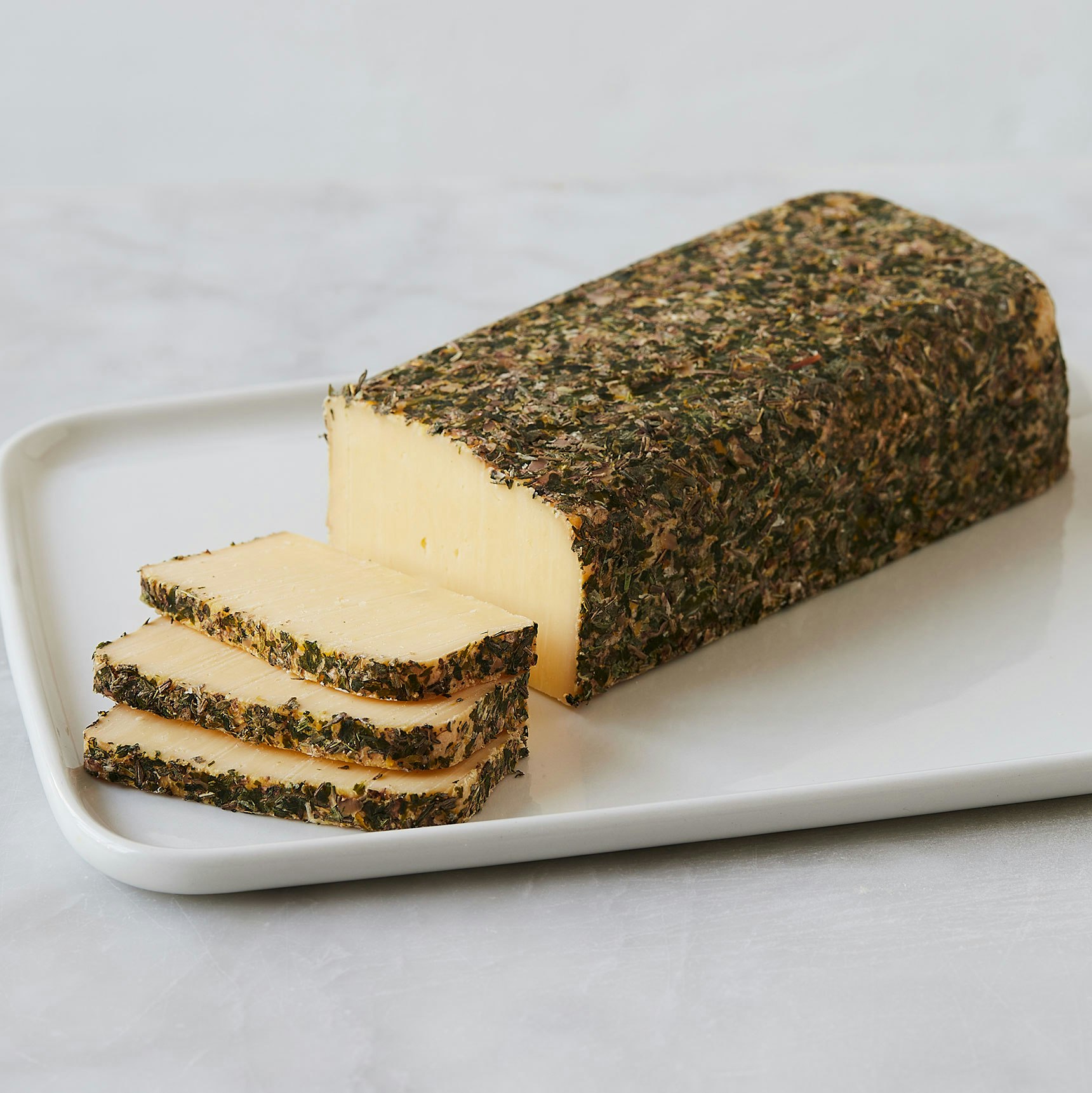
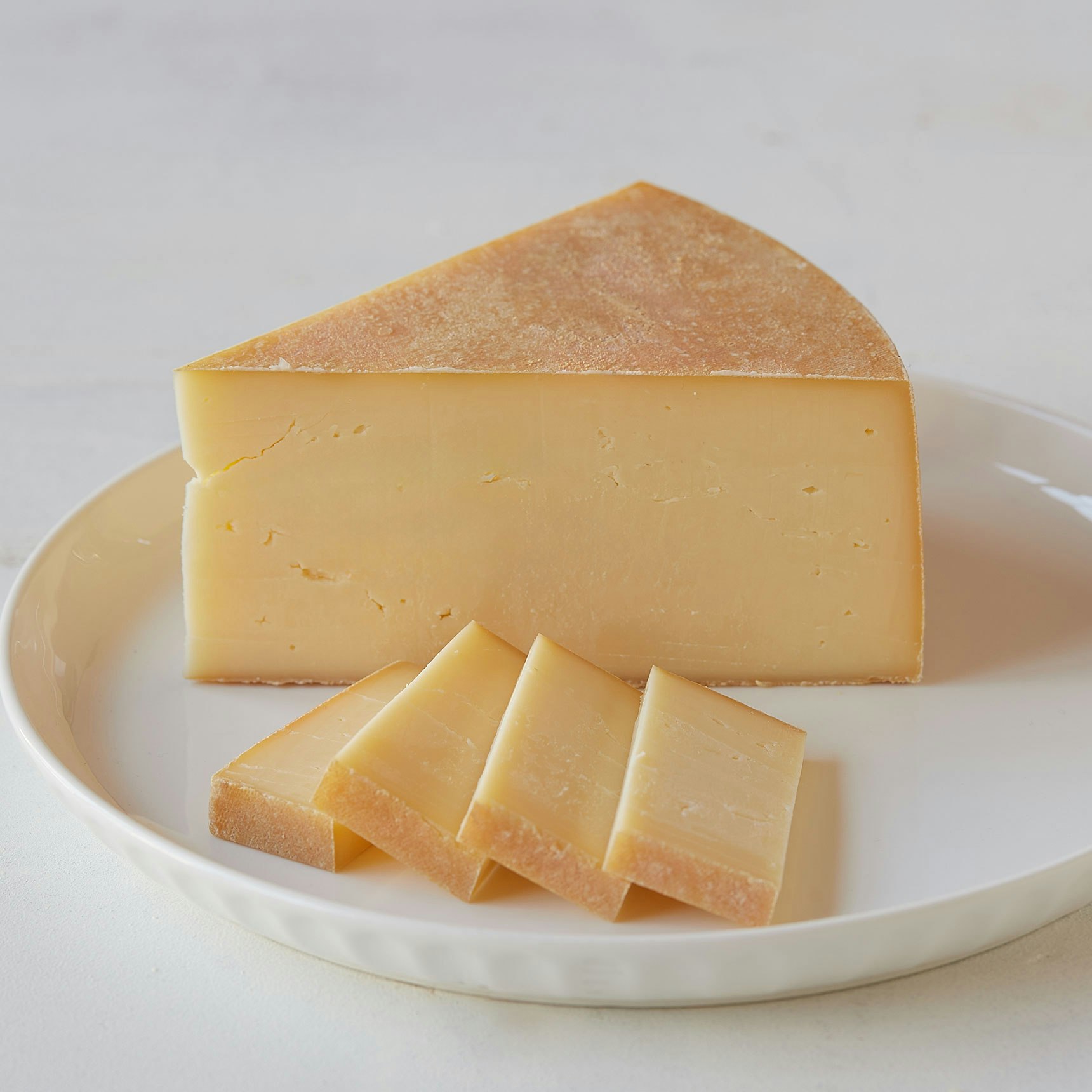
Think: Pliable. Earthy. Wet straw. Hay. Leaves. Melting. Find: Fontina, Garrotxa, Morbier, Tomme de Savoie

Washed
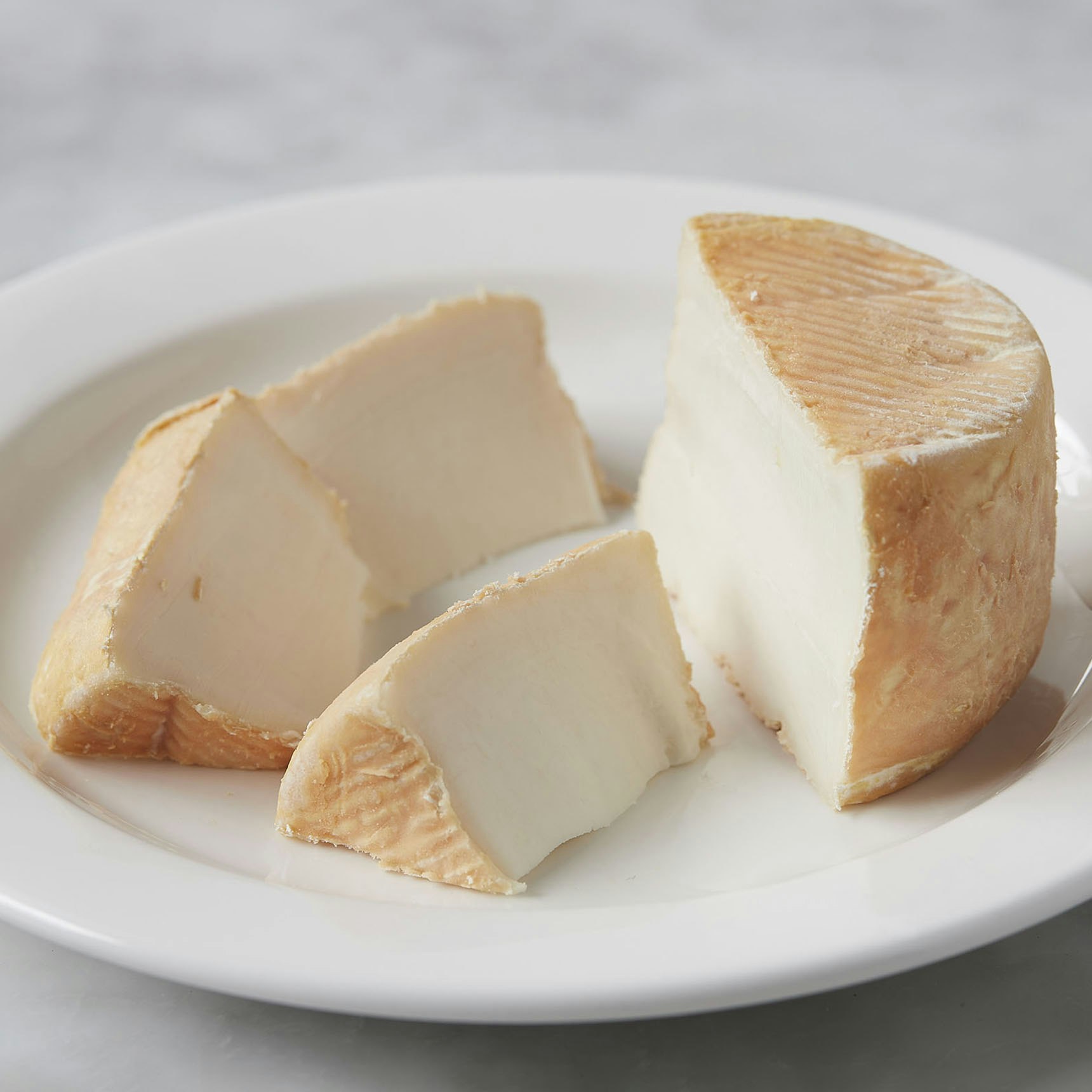
These are washed during aging, in brine (salt water), beer, wine or spirits. Think: Pungent. Stinky. Fruity. Meaty. Intense. Aromatic. Vibrant pink to orange edible rind. Find: Epoisses, Taleggio, Meadow Creek Grayson

Firm
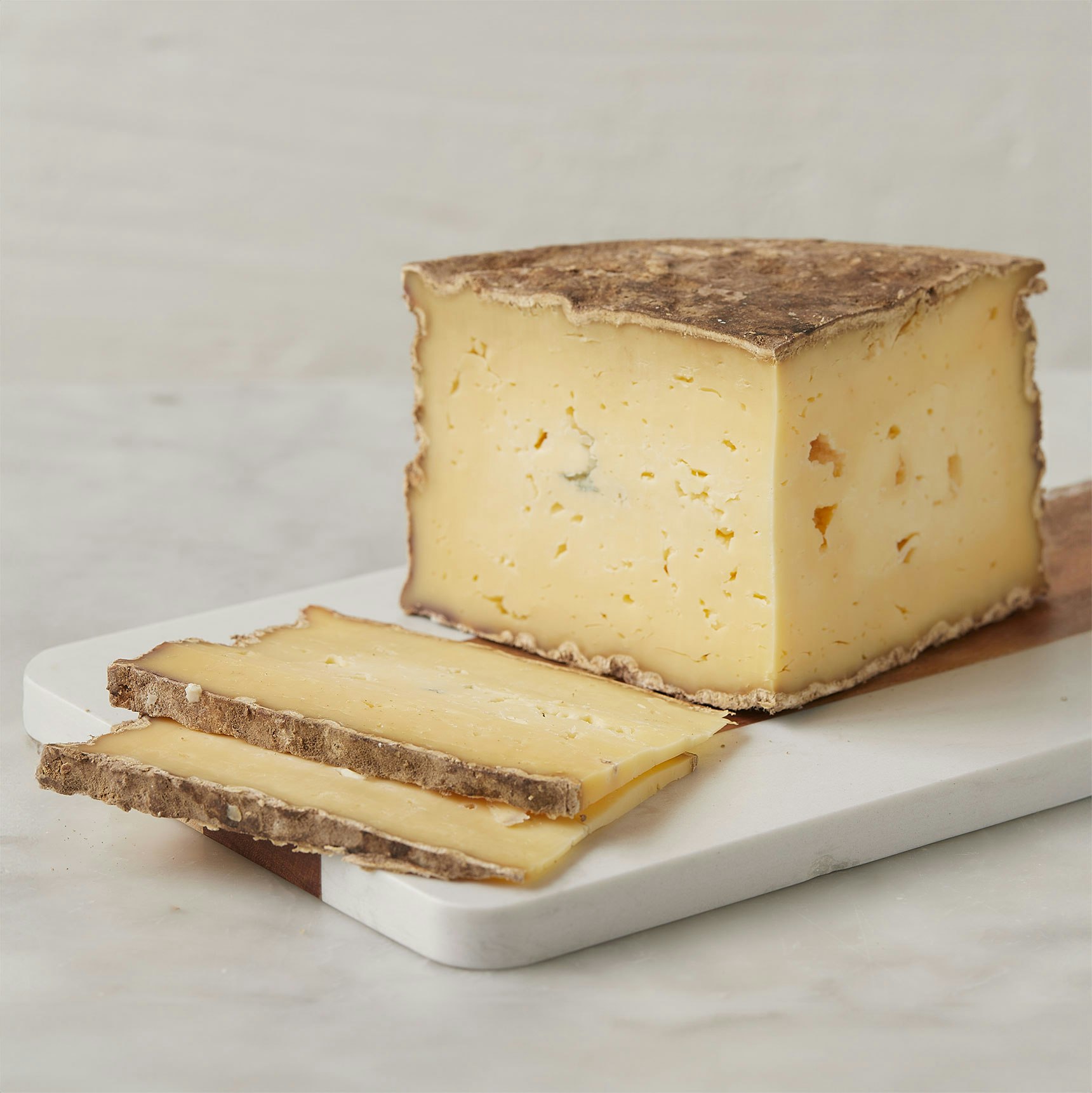
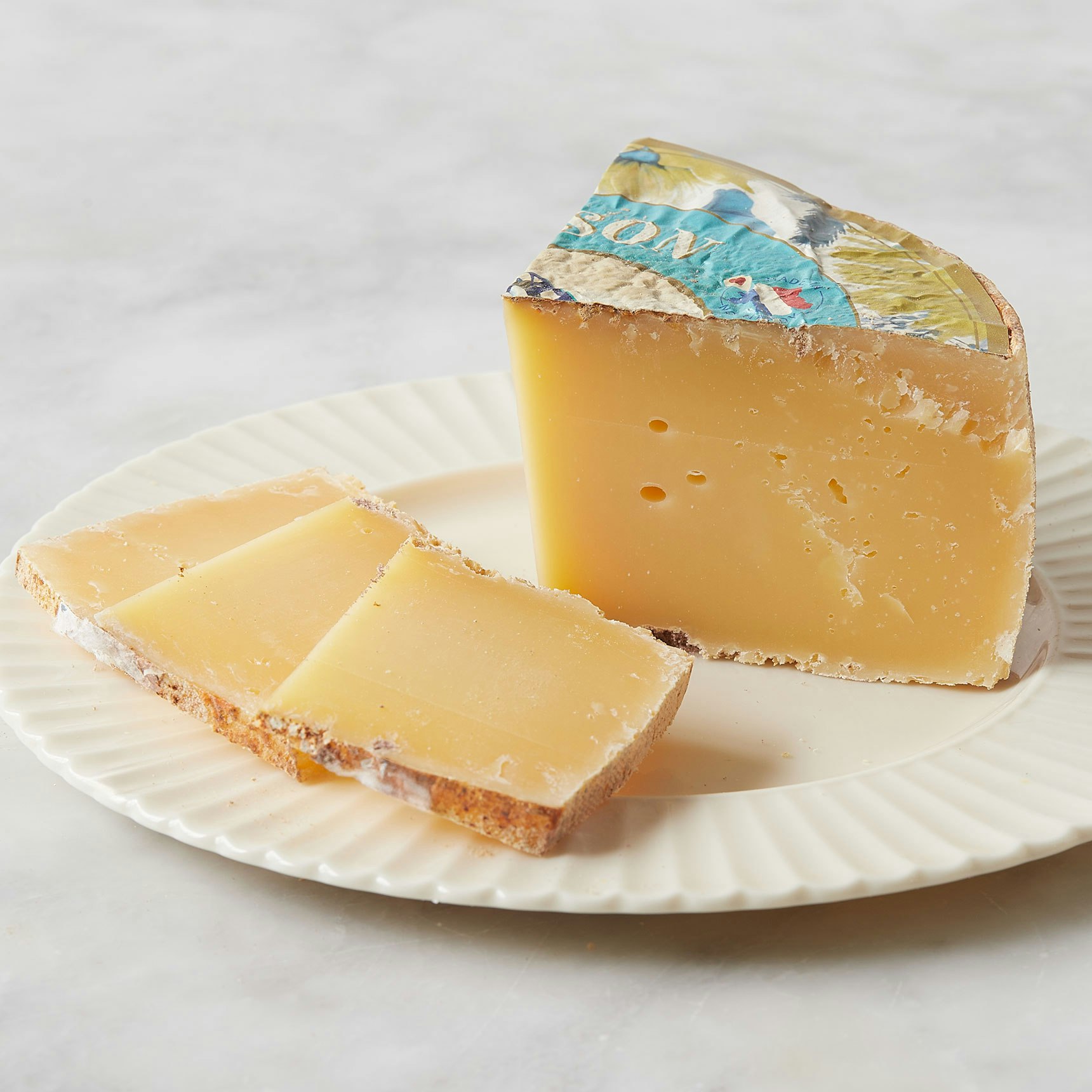
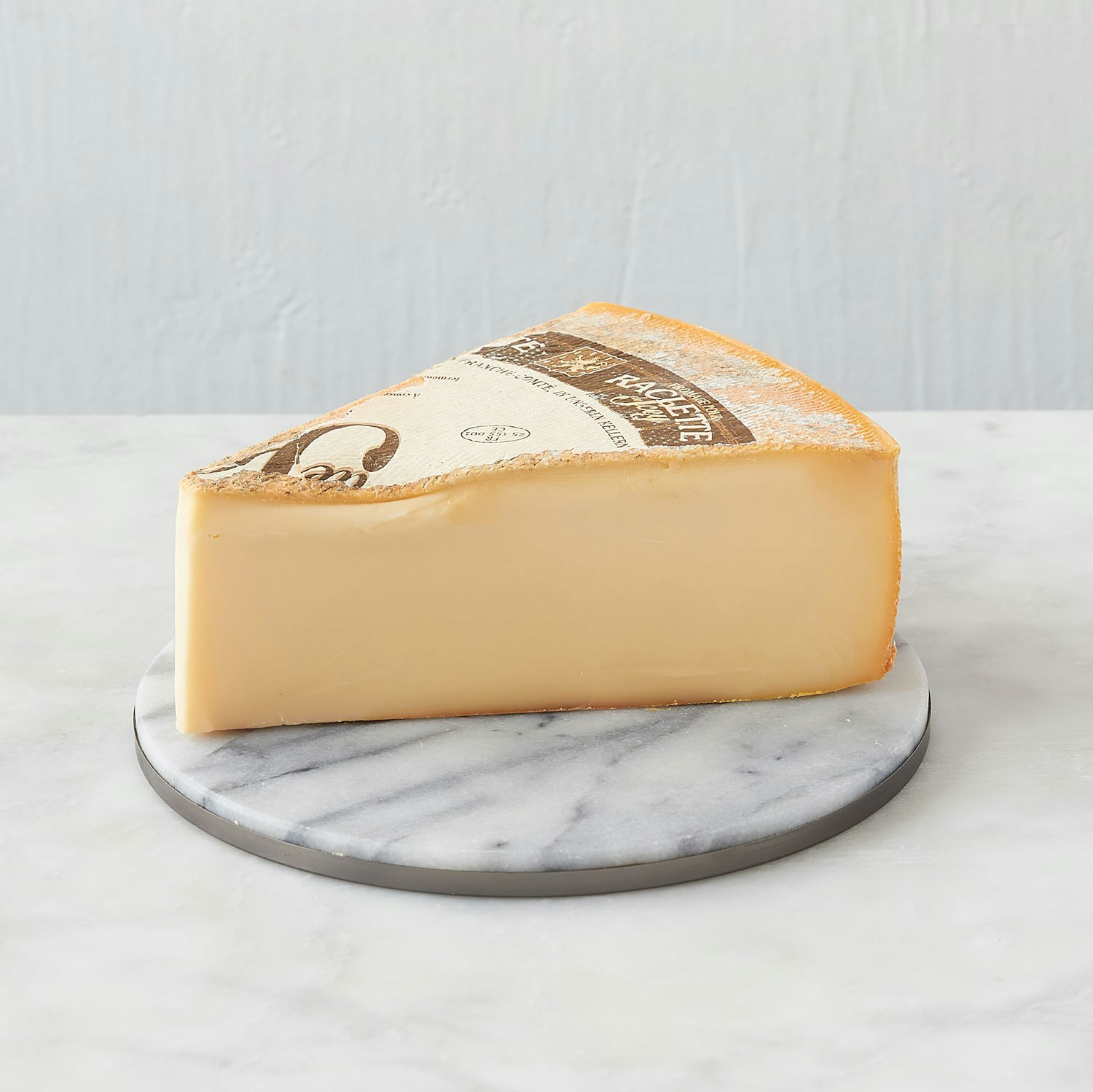
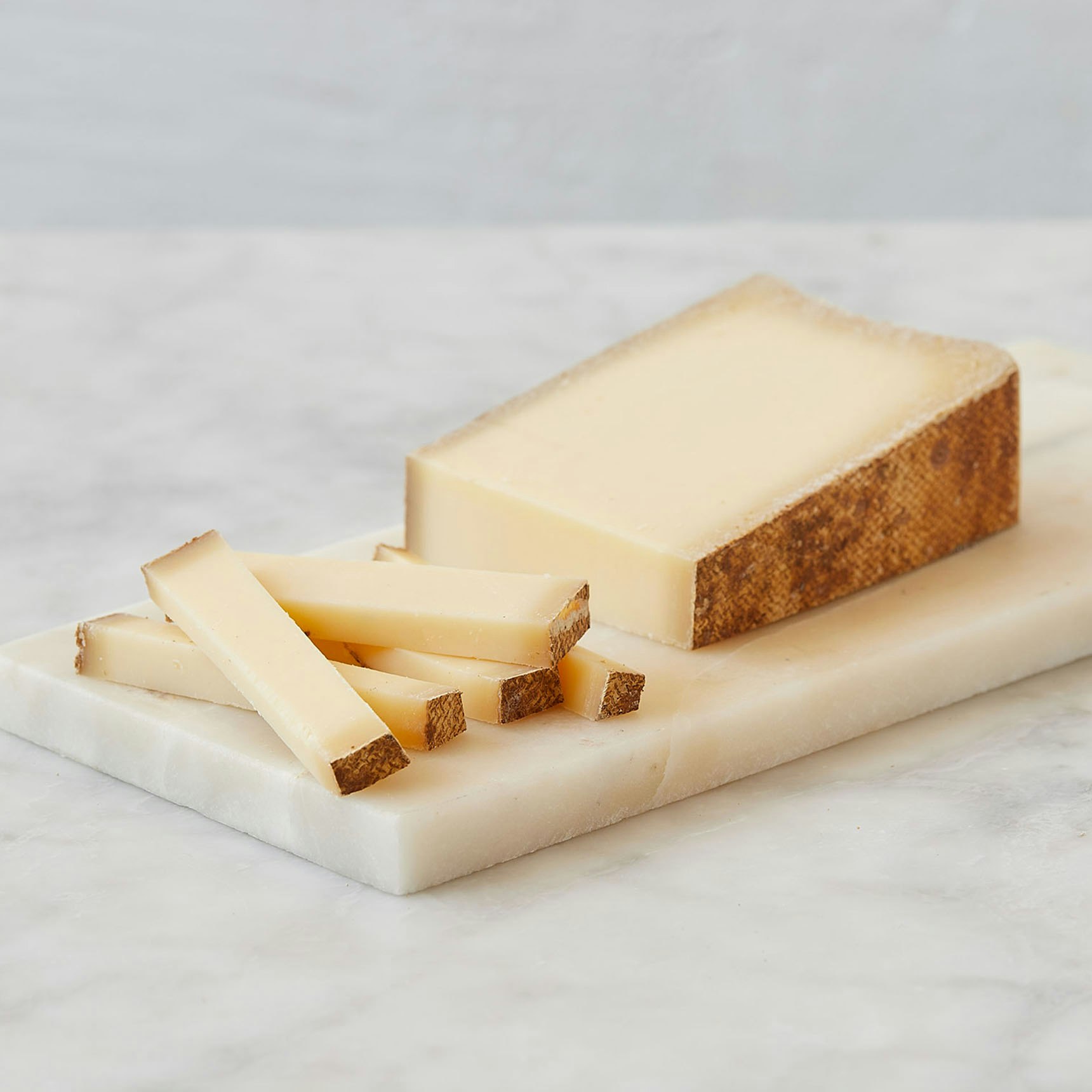
Think: Dense but supple. Grassy. Eggy. Fruited. Sharp. Thick, natural rind not typically eaten. Find: Cheddar, Gruyère, Ossau Vielle

Hard
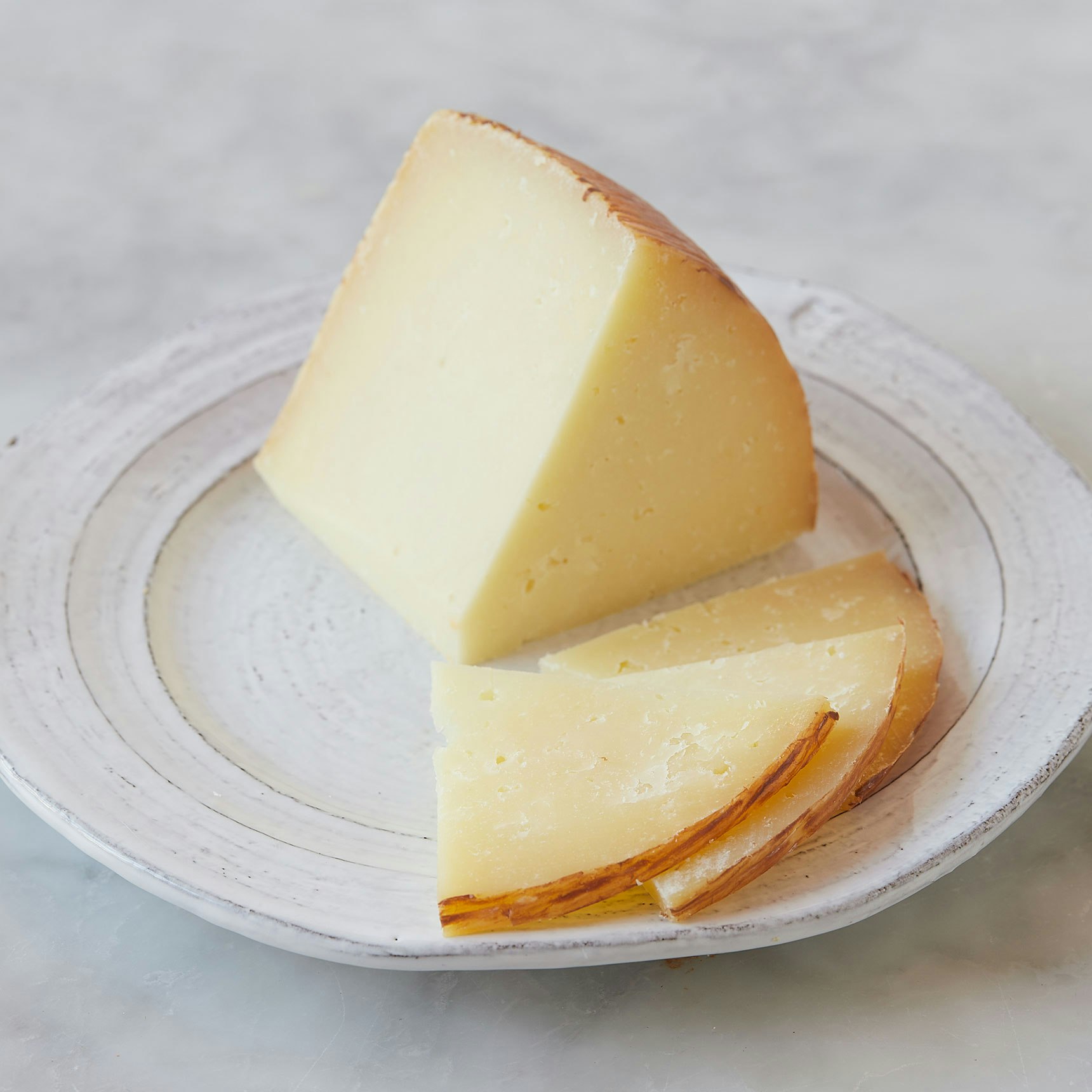
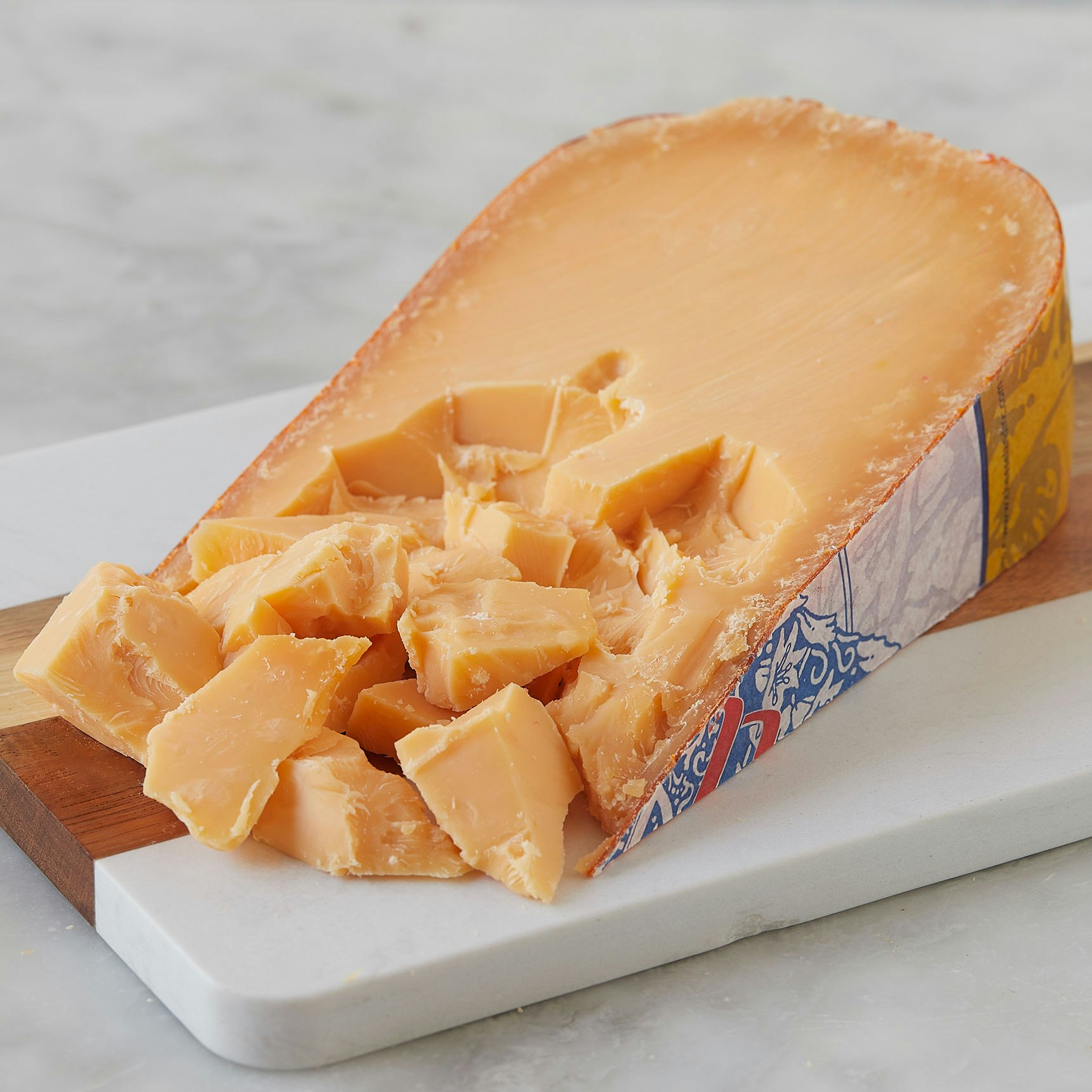
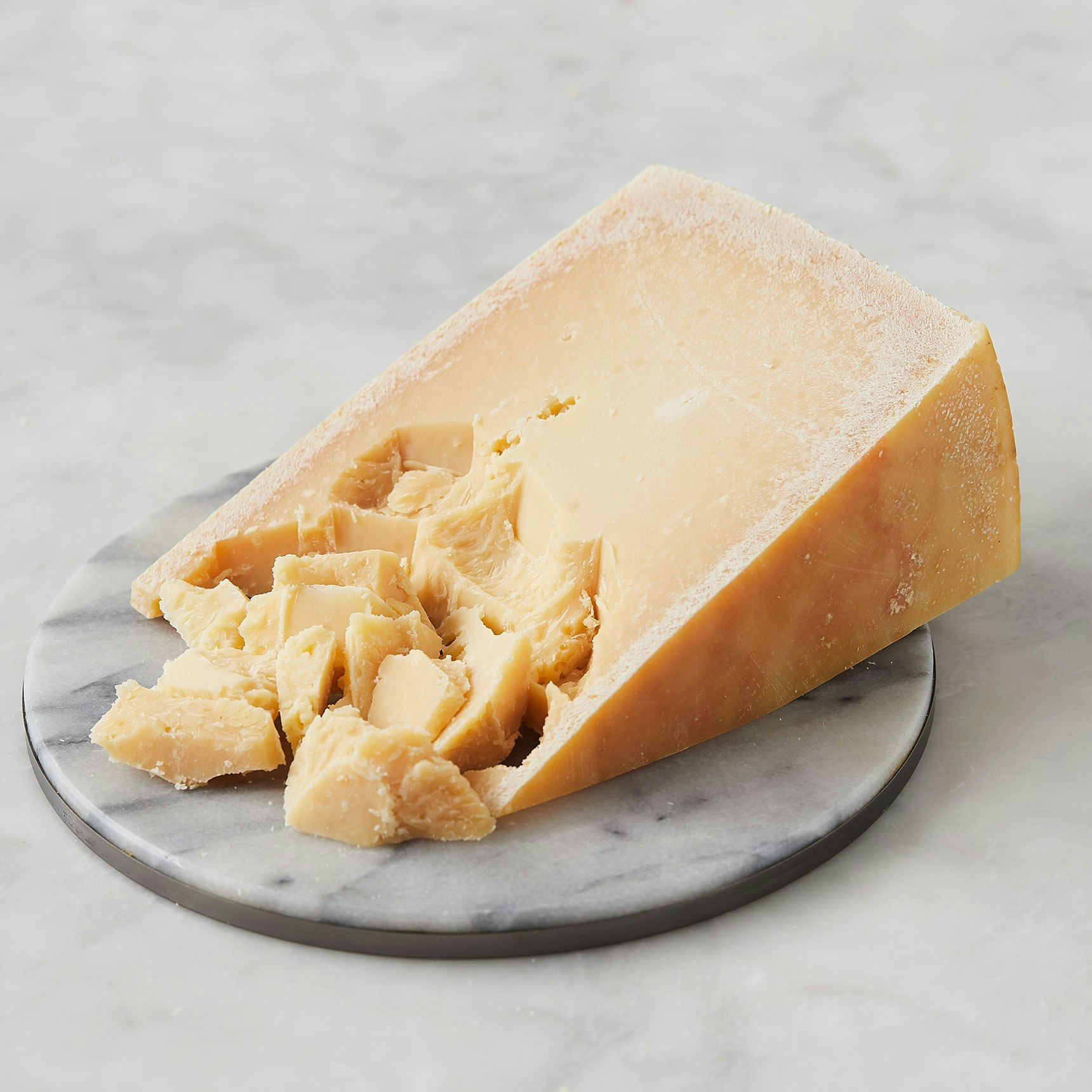
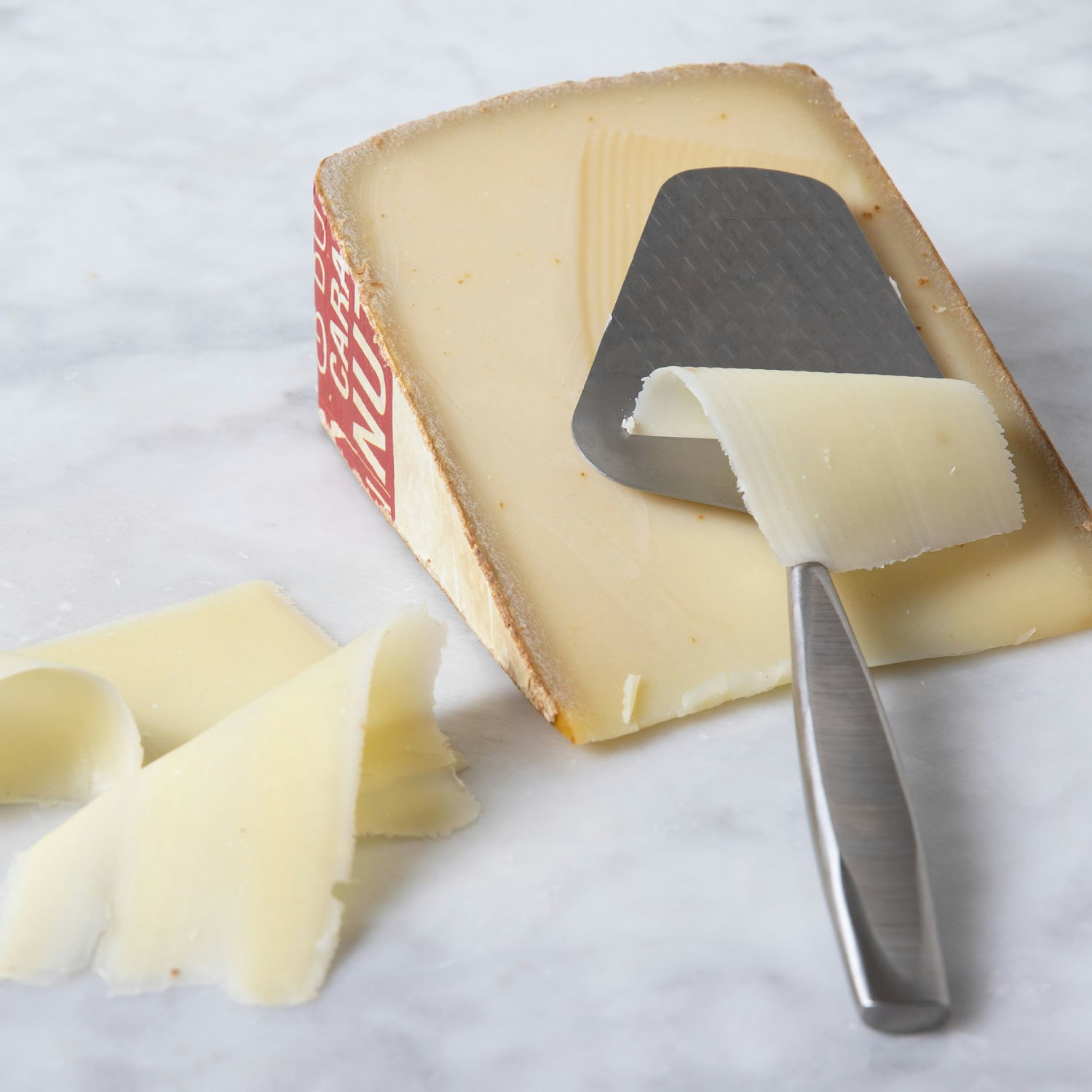
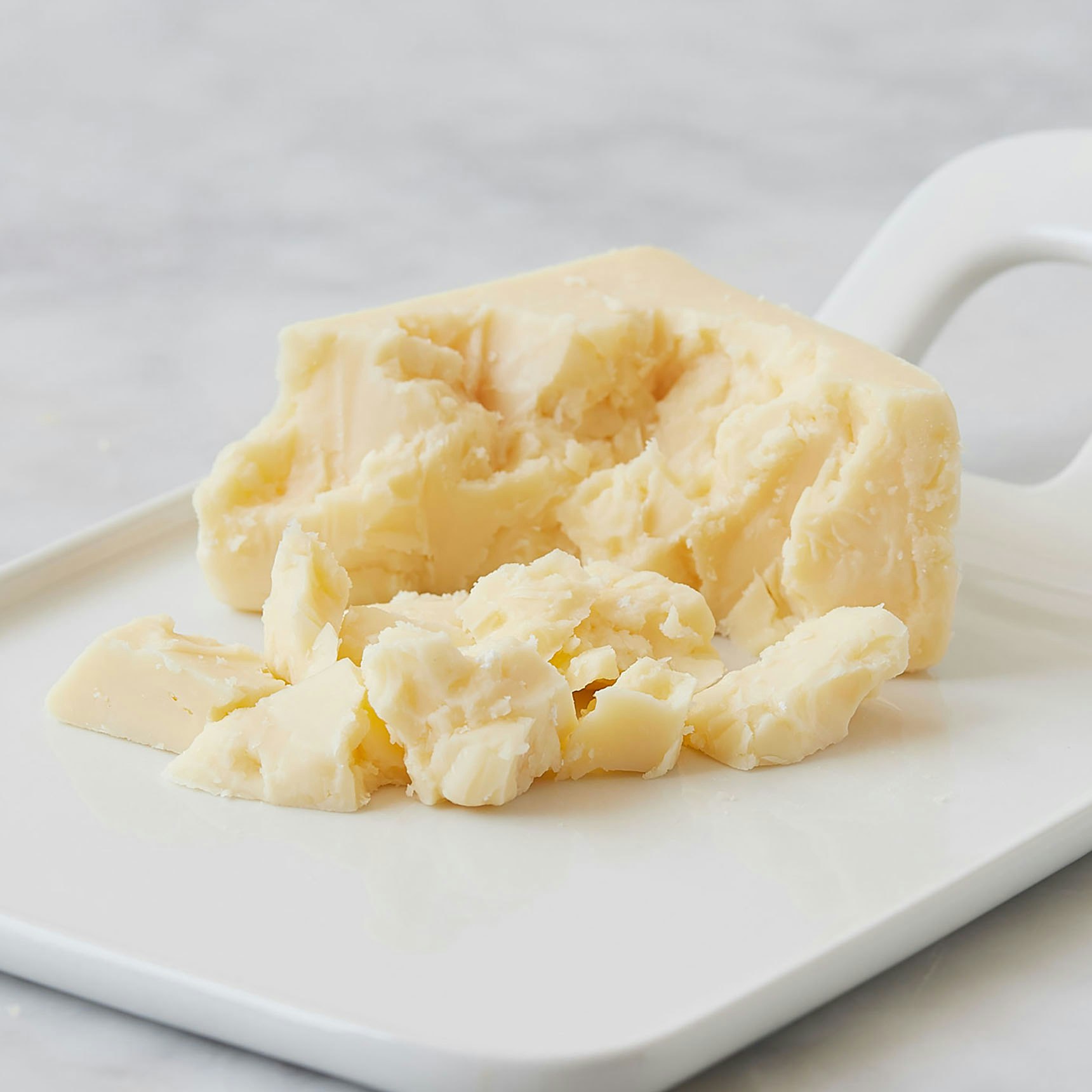
Think: The super-aged big guns. Dry. Crunchy. Caramelly. Butterscotchy. Grainy. Find: Aged Gouda, Dry Jack, Parmigiano-Reggiano,  Manchego

Blue
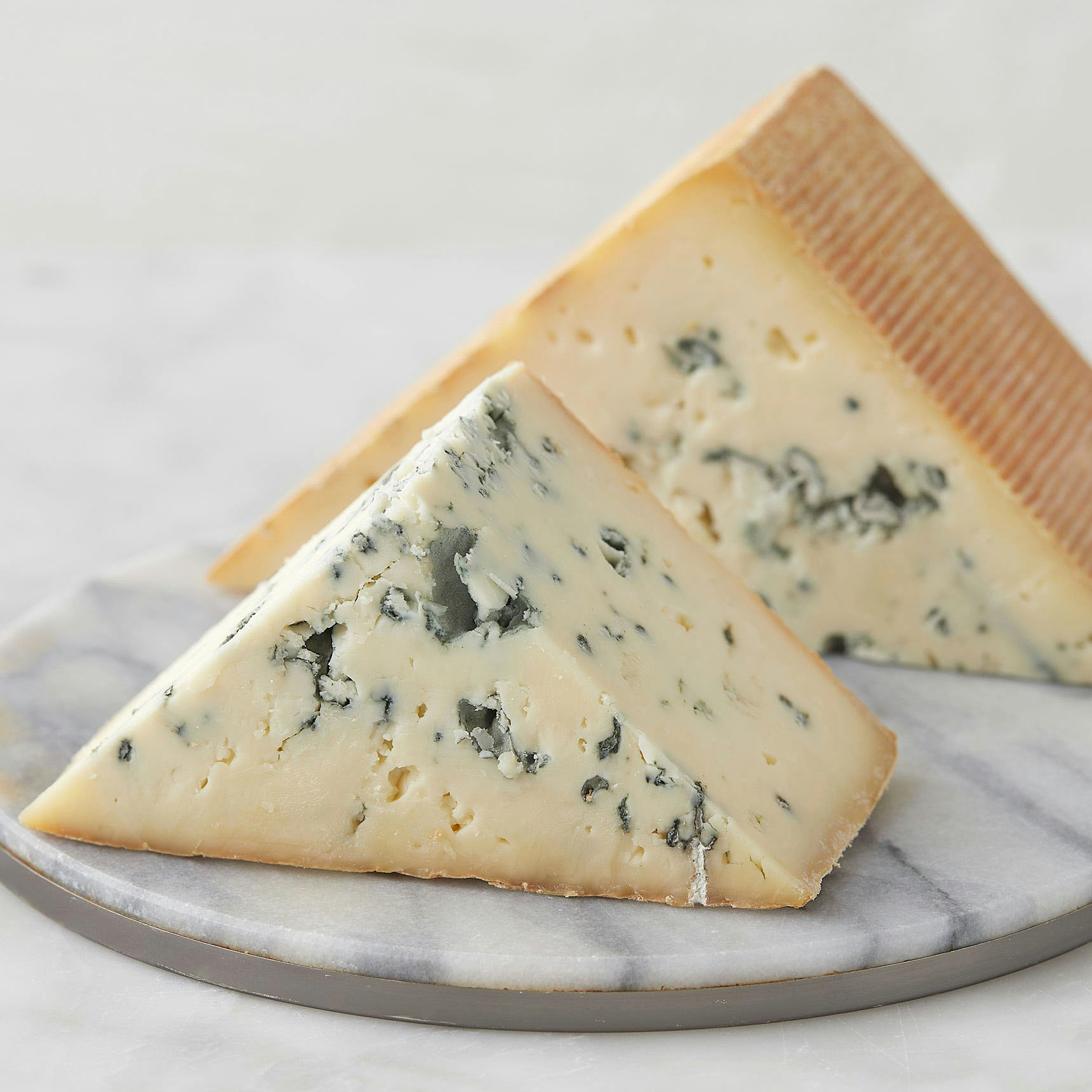
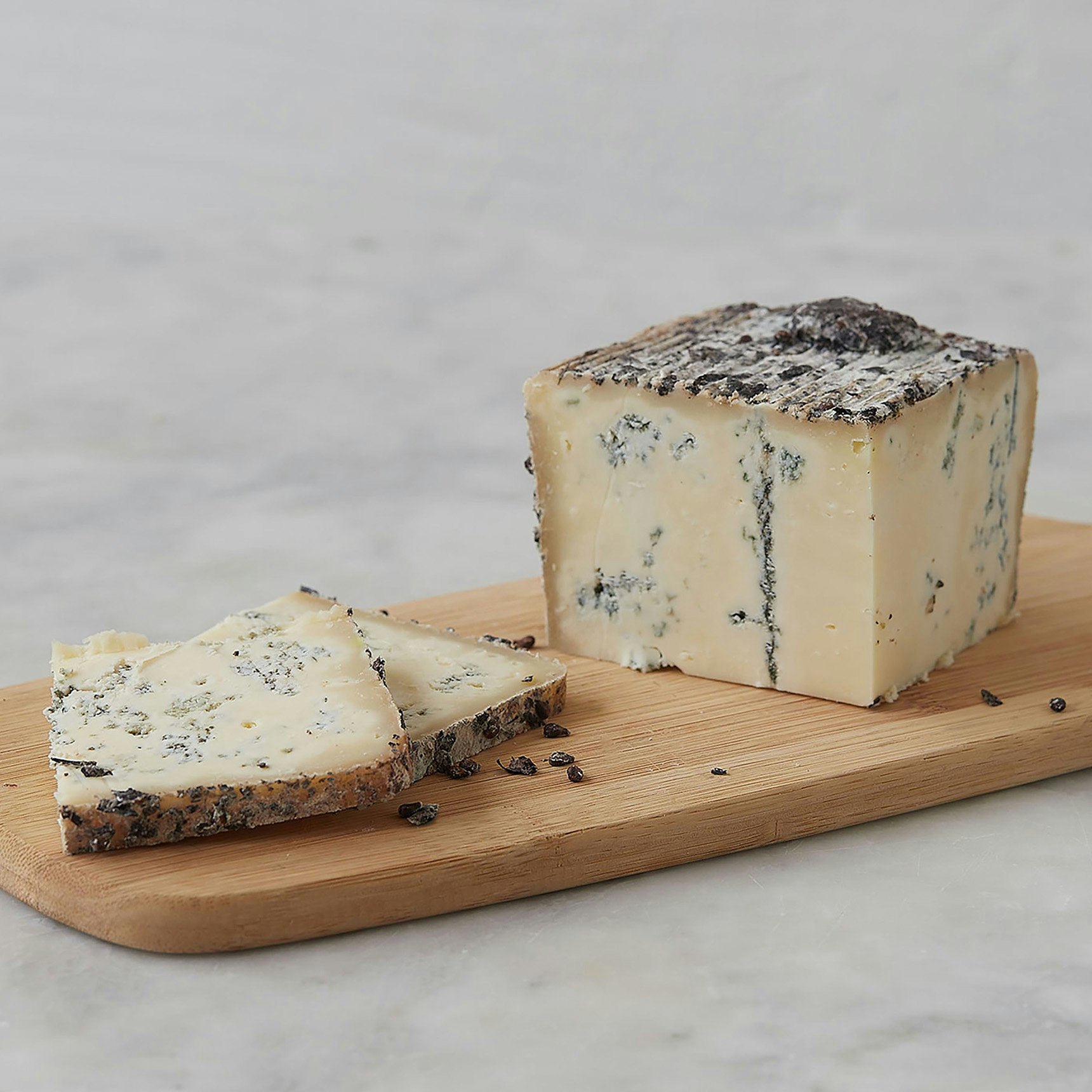
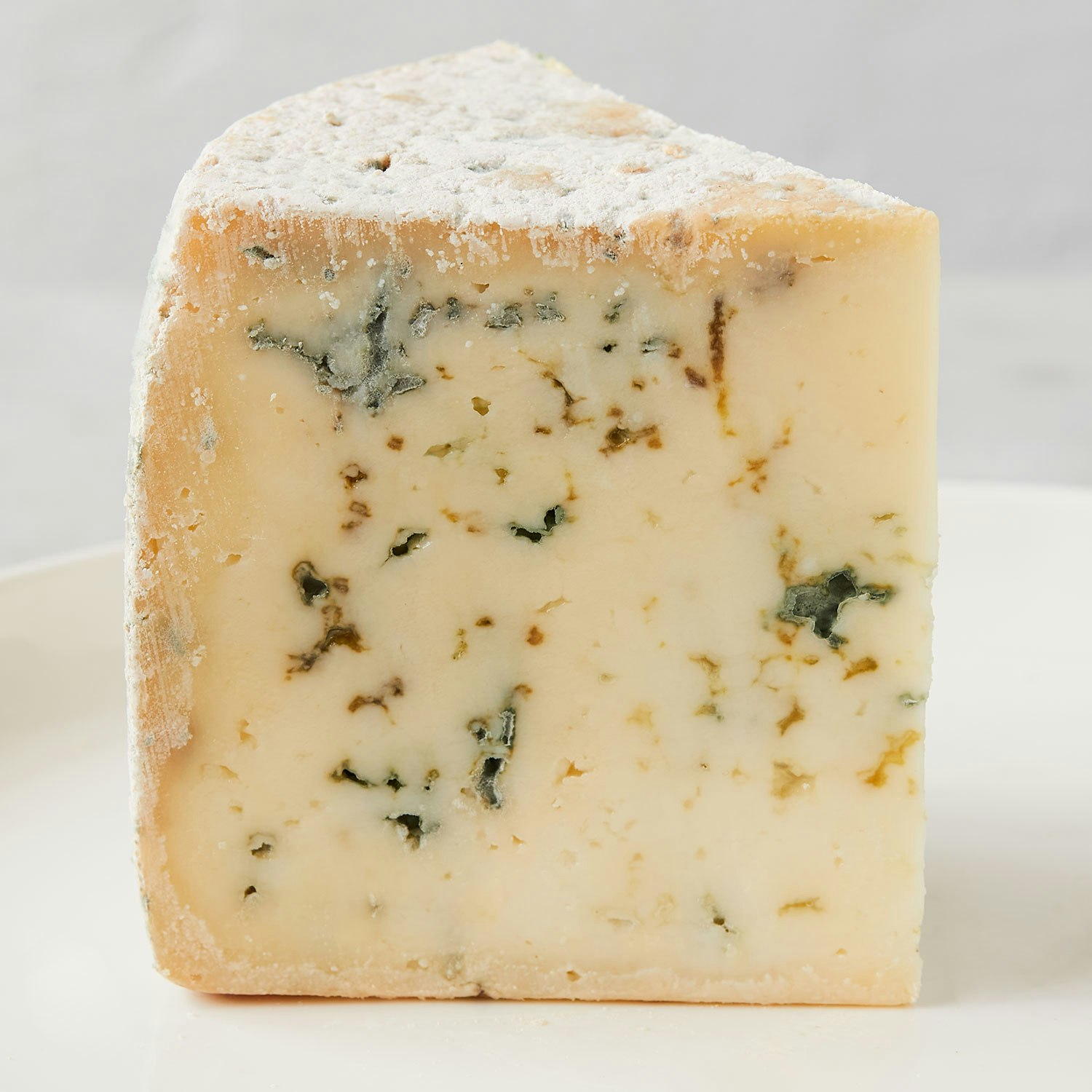
Think: Mold! Veins. Craters. Big. Sharp-edged. Punchy. Complex. Find: Roquefort, Gorgonzola, Stilton


How do I Serve Cheese?

Serve all cheeses at room temperature! Remove cheeses from the refrigerator at least an hour before serving. Hard cheeses take longer to reach room temperature. As a rustic peasant food, cheese displays well on wood or marble or stone boards, surrounded by fruits (simplest - a bunch of grapes), nuts, crusty bread and wine. Try to avoid cubing or slicing in advance, and put out one cheese knife or cheese plane per cheese. For a big crowd, where self-service is key, you may pre-slice or cube, but the cheese will dry out quickly and, as a display technique, it's fairly cheesy. If you must precut cheese, use a covered cheese dome.

The grand presentation of an entire wheel of cheese! Here’s a selection of some of our favorites.  Note: If you would like to receive an entire wheel, you must order the weight of the entire wheel as listed below.

For a small soiree, consider one pound beauties like the barely legal, raw milk washed-rind Cato Corner Hooligan; decadent triple crème Brillat Savarin; runny blue Brie-style Rocbleu; supple, herb-coated Fleur du Maquis; or the pungent Corsican blended-milk Tomme du Berger.

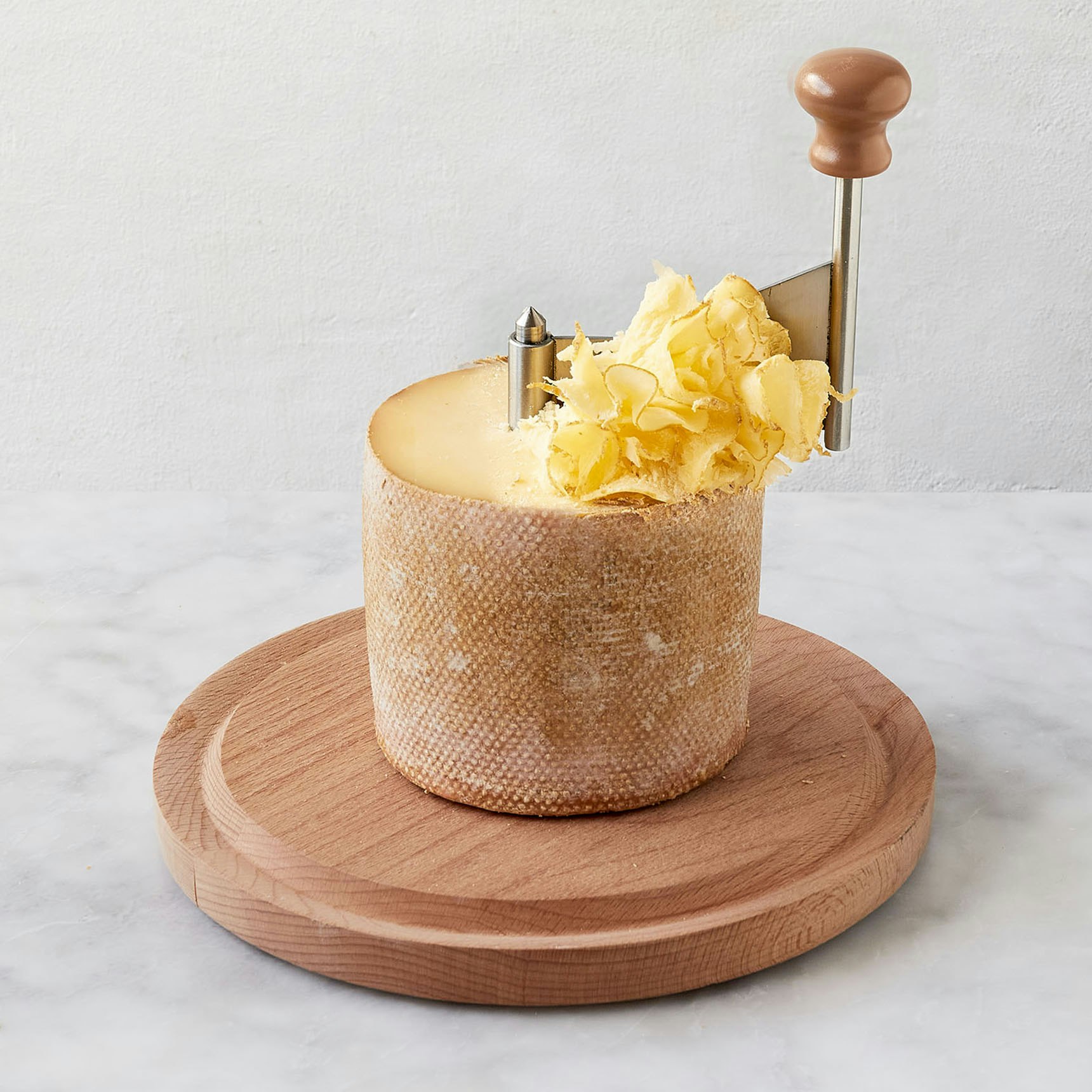
A few more hungry folks to feed?  Bump it up to two pounds. Spanish goat’s milk, Cabra Romero is encrusted in savory rosemary and has a supple texture.  Tetilla, also hailing from Spain, has a semi-soft unique shape will surely “titillate” the company. Tete de Moine translates to “Monk’s Head” because of its color and shape (and lack of hair, we presume).  Switzerland’s offering for the two pound realm is best when shaved into ruffles with your Girolle.

Buttery sheep’s milk Malvarosa weighs in at just three pounds, and its unique shape, molded by the servilletta (napkin) it is drained with, makes it beautiful, while its supple texture makes manageable hunks.

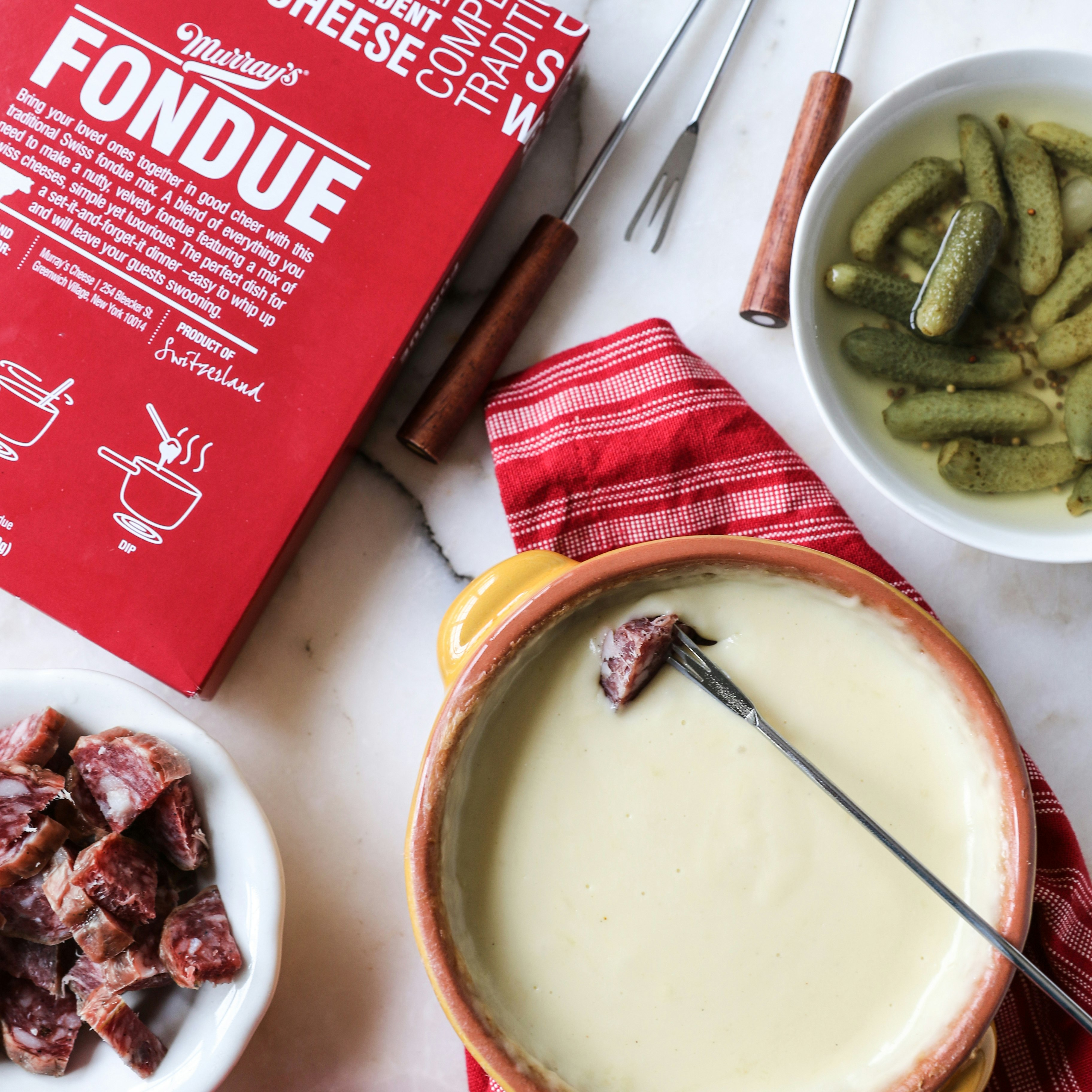
For another stunning presentation, simply score the top of the cheese and pull back the edges from a wheel of La Serena from Spain. Dip in with sliced bread and chorizo for a no-hassle, decadent fondue. Your guests will swoon!

At 3.5 pounds, a whole log of French Bucheron is a classic crowd-pleaser. The bright white rind, milky creamline and crumbly, goaty interior are delights for the eyes and the mouth.
Cow’s milk washed-rind Meadow Creek Grayson, from the good old US of A weighs in at four pounds per handmade square wheel. This delectable washed-rind cheese is a fantastic example of sustainable, farmstead American cheese, and delicious to boot!

The six pound wheel of Manchego is one of our most popular full-wheel cheeses. The basket-weave pattern on the rind creates a gorgeous initial presentation.  Your guests will make short work of those six pounds of cheese, with its and the flaky, snackable interior, but the age of the cheese makes it ideal for storage if they can’t manage the whole deal in one go.


Cheese Boards/Cheese Course

Some basic things to consider when serving a cheese course:

  1. As hors d'oeurves, avoid sweet triple cremes (which are more for dessert), blues (too strong), or very aged cheese (also too strong). Stick to bloomy rinds, medium washed rinds or semi-softs.
  2. Three to five cheeses are enough for any course. Less is more in this case.
  3. After dinner cheeses would typically start with a fresh cheese (e.g., chevre) or bloomy rind (e.g., camembert); then a semi-soft or medium cheese (e.g., Morbier or Cheddar); then a harder cheese (e.g., an aged Gouda); finally a blue (e.g., Roquefort, Gorgonzola or Stilton).
  4. A cheese plate is arranged in clockwise fashion with the first cheese at midnight on the plate.
  5. It's a good idea to vary the milk types, too: goat, sheep and cow.
  6. Don't be afraid to experiment. Start with what you like first and work around it.
  7. Need help? Contact us at 888.MY.CHEEZ x7 (that’s 888.692.4339).


How Do I Store Cheese?

Our number one recommendation is to buy smaller pieces of cheese more often, because a reputable cheesemonger is better equipped to store cheese. That said, here are our guidelines for home storage:

Most references will tell you never, never, never wrap your cheese in plastic wrap. And with good reason. If you're like us, you buy a bunch of cheese, put it in your fridge, and forget about it for two weeks. By then, the cheese has been tightly wrapped, never seeing the light of day, never getting any fresh air, and it has died of suffocation. Seriously. Cheese is a living food. It needs to breathe. The rind on bloomy and washed cheese cannot survive without oxygen. The exposed surface of Parmigiano-Reggiano and even oily Manchego, for example, will get sweaty and then dry out without fresh air. 

But for most people at home, what are your choices?

We say: Be realistic. Wrap first in wax paper to protect the surface flavor of a cheese, and then in plastic wrap to ensure it can't dry out.  But honestly, the best bet is our imported Murray’s Cheese Paper.  Then, promise not to forget about the cheese. Change its wrapping every couple for days, which also gives an excuse to nab a small bite.

Use foil for higher moisture blue cheeses.

The vegetable drawer is slightly warmer and moister than the rest of the fridge, and so provides a less hostile environment. Plus, it prevents cross-contamination of flavor and aroma with other food in your fridge.

Special cheese cellars and refrigerators are a hot trend right now, but we've had respectable success "aging" cheese the old fashioned way. Take a Tupperware container, line it with a damp paper towel, and poke holes in the lid for air. It's the perfect abode for a cheese that's not quite ripe.


What Else Can I Serve with Cheese?

Almonds help bring out the subtleties of cheese flavor and aroma. Toasted hazelnuts and walnuts interchangeably work with cheese, and pecans go well with sweet or unctous cheeses.

Olives naturally complement sheep and goat's milk cheese.

Experiment with dried fruits like figs, dates, and cherries.

Chutneys are a tasty alternative that meld nicely with the texture and nuances of English farmhouse cheeses. Chutney with Cheddar is simply delicious. French chevre with its stark white moist, flaky or crumbly paste is a choice for chutney, also perfect with juicy plums.

Fruit pastes, such as membrillo made of quince, with slices of an array of semi-hard sheep's milk cheeses from Spain, French Pyrenees, Sardinia, and delicate flavored cow's milk cheeses like Lancashire, are sure to bring delight.

The sweetest seasonal fruits are the ones to choose. Try blackberries, blueberries, strawberries, and whatever other ripe and bursting with flavor fresh fruits are available. Apples with Cheddar and pears with Stilton always bring pleasure,

Charcuterie: Serve thin slices of prosciutto, Serrano ham and sweet or spicy salamis, especially with aged cheeses like Pecorino and Manchego. If you choose to serve crackers, pick unsalted ones, but bread is a must; you can never go wrong with a baguette. Crusty rustic sourdough with creamy soft ripened creations, and grain-packed hearty selections with Cheddars and the like, or perhaps specialty breads with bits of dried fruit and nuts, or olives baked in.

BUY THE BOOK
Murray's Book Image The Murray's Cheese Handbook
The only cheese book you'll ever need! Click here to learn more.
Sign Up For Cheez E-mail
Enter Email
Your Cart
There are no Items
in your cart.