Ferme De La Tremblaye Pave De Paris


- Pasteurized
- Animal Rennet
- Age: 1-2 Months
- Cow Milk
- Goat Milk
- by Ferme De La Tremblaye
- France
- ApproachableAdventurous
- SoftHard
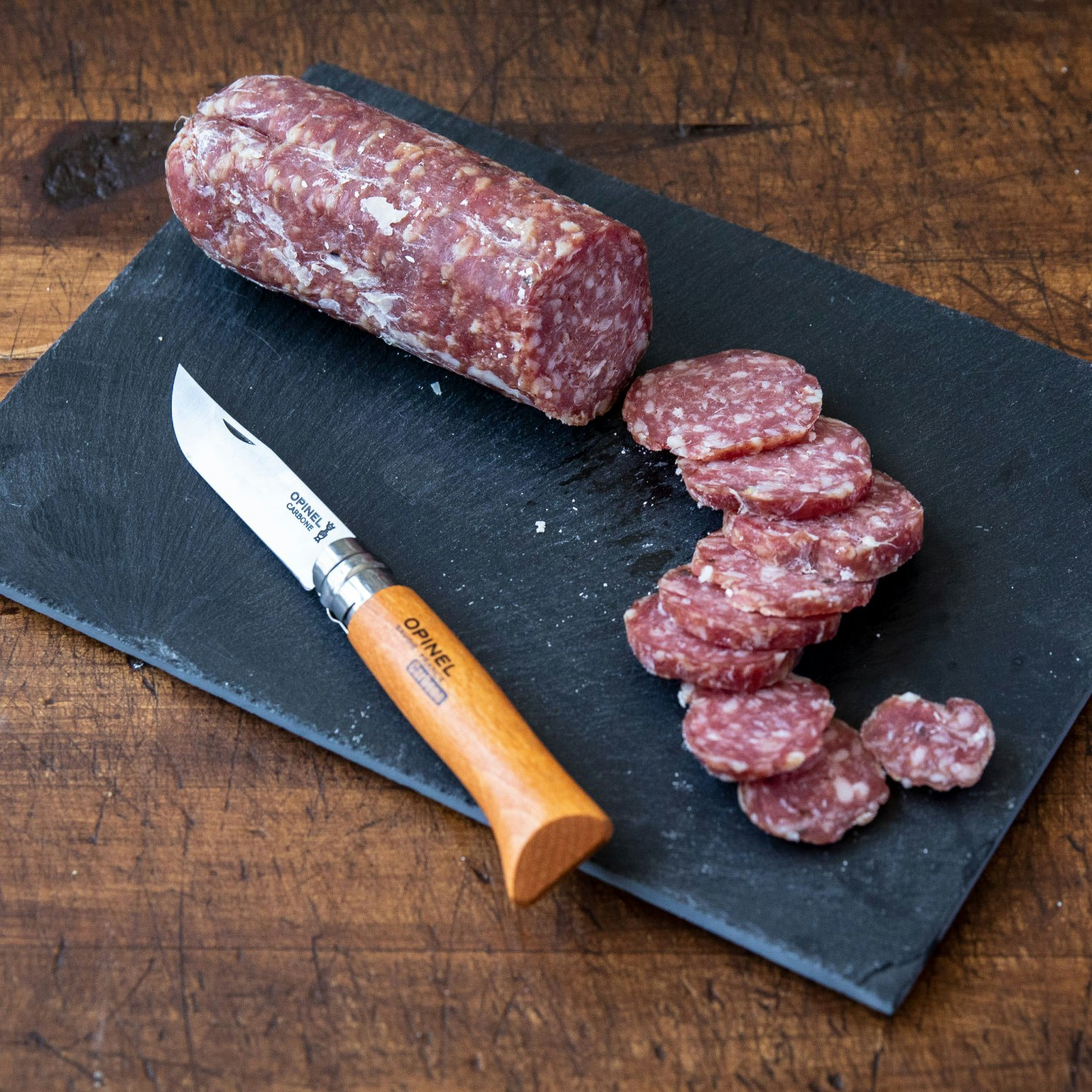
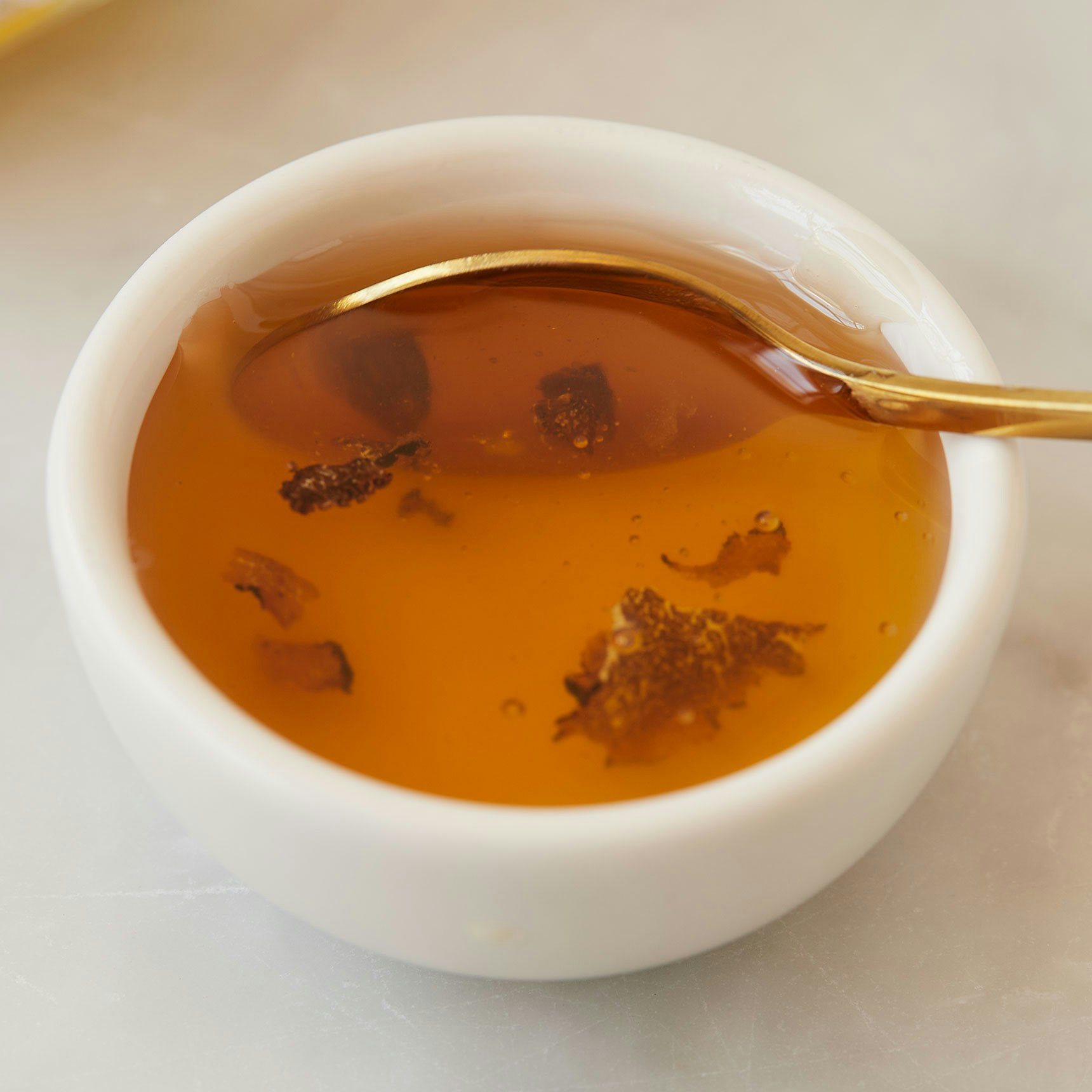
Buttery, nutty Pavé de Paris lives in the space between city and country. The ashed rind and brick-like shape nod to Paris’ iconic cobblestones (or pavés). But it’s crafted miles away, on a farm at the edge of the Rambouillet forest. There, cheese experts handmake this unique cheese, layering cow’s milk and goat’s milk curds. The result is a mild yet eye-catching interior—marbled yellow and white—with a flavor that gets earthier toward the rind. Add some Saucisson Sec and truffle honey for an incredible spread.
"This cheese first caught my eye because of its looks—that moody rind and the marbled interior are gorgeous. But I love the flavor just as much. It’s simple and nutty and chic and oh-so French.”
- Ferme de la Tremblaye is a farmstead creamery—their cheeses are made by hand on the same farm where their animals are raised and milked.
- For most mixed-milk cheeses, the milks are combined at the beginning of the cheesemaking process. For Pavé de Paris, the two different milks are first formed into curds, then layered together just before molding, creating a unique marbled look.
- Cow’s milk has more of a yellow hue than goat’s milk (which is a purer white), thanks to the presence of more beta carotene in cow’s milk. That allows for the visual difference between the curds in the final cheese.
- A coating of vegetable ash gives the cheese its striking gray rind.
- Ash-ripening cheeses is a traditional practice in affinage that dates back centuries. Though tasteless, the ash balances the acidity levels on the cheese, encouraging the mold to grow and the rind to form.
When you receive your cheese, unpack the order and refrigerate the items. We recommend using the cheese paper we send most of our products in to store the cheese. The cheese paper helps cover the items and stop them from drying out, while also allowing the cheese to breathe. Since cheese is mold, it's a living thing! If you cut off air circulation to the cheese, you can actually cause it to suffocate and spoil at a faster rate.